
Can a Concrete Coating Fix Cracks in Your Garage Floor?
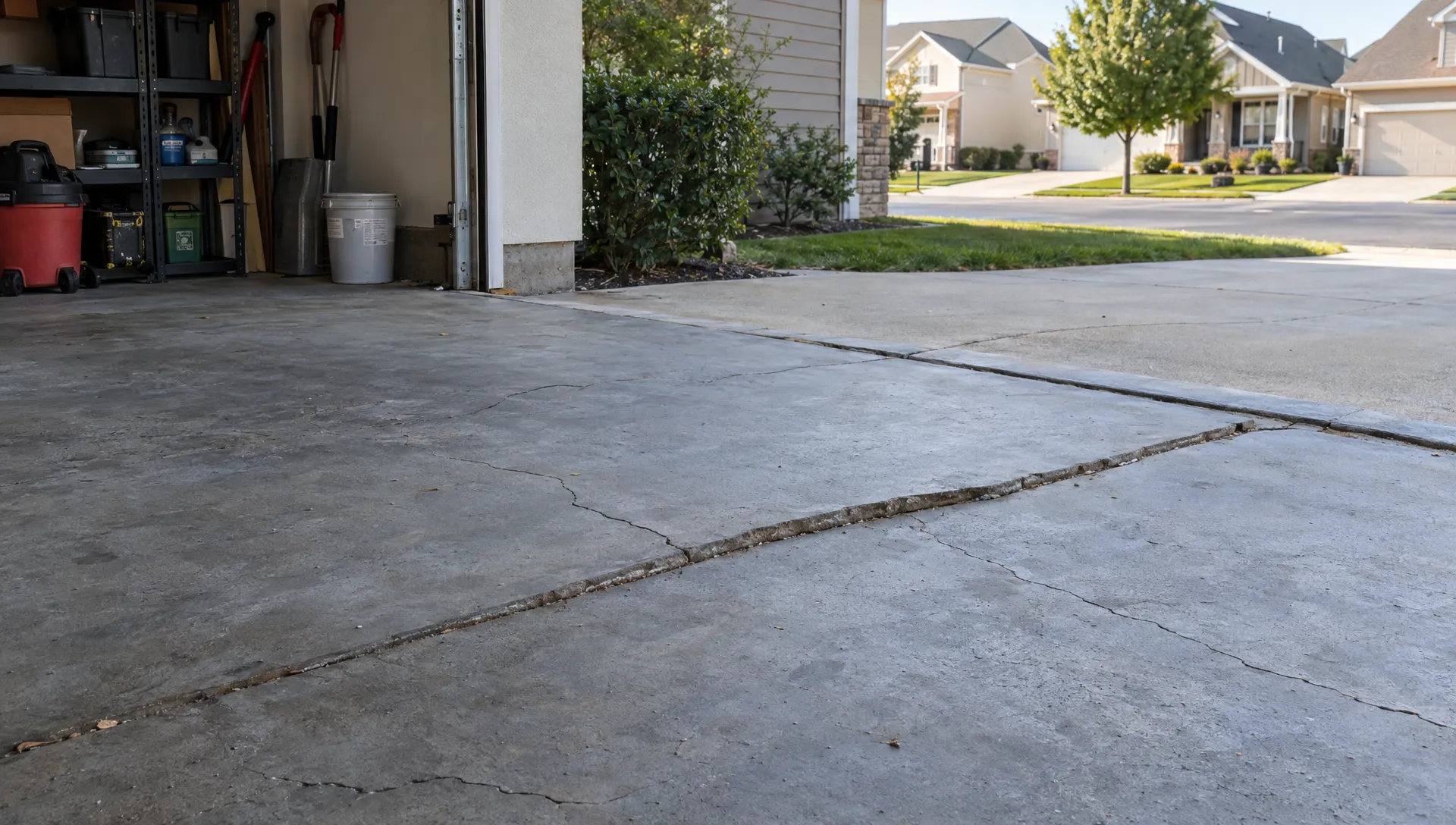
A concrete coating can make a cracked garage floor look much better, but the coating itself does not repair the crack. Stable cracks can often be repaired before a coating system is installed. Cracks caused by ongoing movement, settlement or a structural problem need a different approach, and covering them can hide a problem without solving it.
For San Diego homeowners, the useful question is not simply whether a crack can disappear beneath decorative flakes. It is whether the underlying slab is sound enough for the repair and finish to last. Here is how to tell the difference and what to ask before scheduling installation.
Which Garage Floor Cracks Can Be Repaired Before Coating?
Concrete can crack as it dries and shrinks, responds to temperature changes or experiences movement beneath the slab. A visible crack does not automatically mean your garage floor needs replacement. However, its width alone cannot tell you whether it is harmless.
An installer should look at the crack’s condition, the surrounding concrete and any history of change. These observations help separate routine surface preparation from problems that need further evaluation.
| What you notice | What it may indicate | Appropriate next step |
|---|---|---|
| A fine crack with level edges and no known change | Shrinkage or another potentially stable condition | Evaluate for repair before coating |
| A crack that keeps reopening after patching | Continued movement or an unsuitable previous repair | Identify the cause before repeating the repair |
| One side of a crack higher than the other | Vertical displacement or uneven slab movement | Seek assessment beyond a cosmetic repair |
| Dampness, staining or deposits around a crack | A possible moisture pathway | Investigate moisture before installation |
| Crumbling edges or loose patches | Unsound concrete or failed repair material | Determine how much damaged material needs removal |
A photograph cannot confirm that a crack is inactive. Past photos, previous repair records and observations over time can help establish whether it is changing. A concrete coating is a finishing system, not a way to determine whether slab movement has stopped.
What a Concrete Coating Can and Cannot Fix
A properly prepared coating system creates a finished surface over the existing slab. With suitable crack repairs underneath, it can improve appearance, make cleaning easier and protect the surface from everyday garage use.
Decorative flakes can also make minor visual irregularities less noticeable. That is different from repairing the underlying concrete or restoring structural capacity.
A floor finish cannot stabilize soil beneath the garage, stop foundation movement or permanently close a crack that continues to open. Even a coating described as flexible has limits. Its performance depends on the complete system, thickness, substrate condition and manufacturer’s requirements, not just the resin name.
Epoxy, polyurea and polyaspartic products are not interchangeable crack-repair solutions. A repair material must be appropriate for the defect and compatible with the coating applied over it.
The realistic goal is a sound repair beneath a durable finish, not a promise that every crack will remain invisible forever. If the slab moves again, a repaired crack may show through or reopen.
How Cracks Should Be Addressed Before Installation
Inspect the slab, existing patches and moisture conditions
Before applying a concrete coating, the installer should assess more than the visible crack line. Loose concrete, failing patches, oil contamination and existing coatings can all affect adhesion.
A previous patch may look intact while separating from the concrete beneath it. Similarly, a dry-looking surface does not establish that moisture conditions are acceptable for the planned system. Bay City Coatings’ explanation of why moisture testing matters before epoxy floor installation covers this issue in more detail.
Inspection before covering matters with other working floors too. This guide to inspecting shipping container floors highlights hidden damage, contamination and poor previous repairs. Container flooring requires different repair methods, but the same basic caution applies: a new surface should not conceal an unresolved defect.
Prepare and repair suitable cracks
For a stable crack, preparation may involve opening or cleaning the damaged area, removing unsound material and thoroughly extracting dust. The exact method depends on the crack and the repair product’s instructions.
An appropriate filler or repair resin is then installed and allowed to reach the condition required for the next step. Depending on the system, the repair may need grinding flush so it does not leave a visible ridge beneath the finished floor.
Avoid assuming that hardware-store caulk or leftover patching compound will work. Some materials remain too soft, bond poorly or are incompatible with the planned finish. Tell the installer about any DIY repairs before work begins.
Mechanical preparation also creates concrete dust. Professional equipment and dust controls matter, so homeowners should not casually grind cracks themselves just to get the floor ready.
Prepare the surrounding floor, not just the crack
A repaired line does not compensate for inadequate preparation elsewhere. The surrounding slab needs a sound, properly prepared surface that meets the coating manufacturer’s requirements.
For a concrete coating to perform as intended, the repair and the surrounding substrate must work together. Surface contamination, weak concrete or an incompatible old finish can cause failure even when the crack itself has been filled correctly.
This is why a quote should describe both crack treatment and overall surface preparation. Ask how the installer will handle existing patches and whether any discovered damage could change the scope or schedule.
Why Joints and Moving Cracks Need Different Treatment
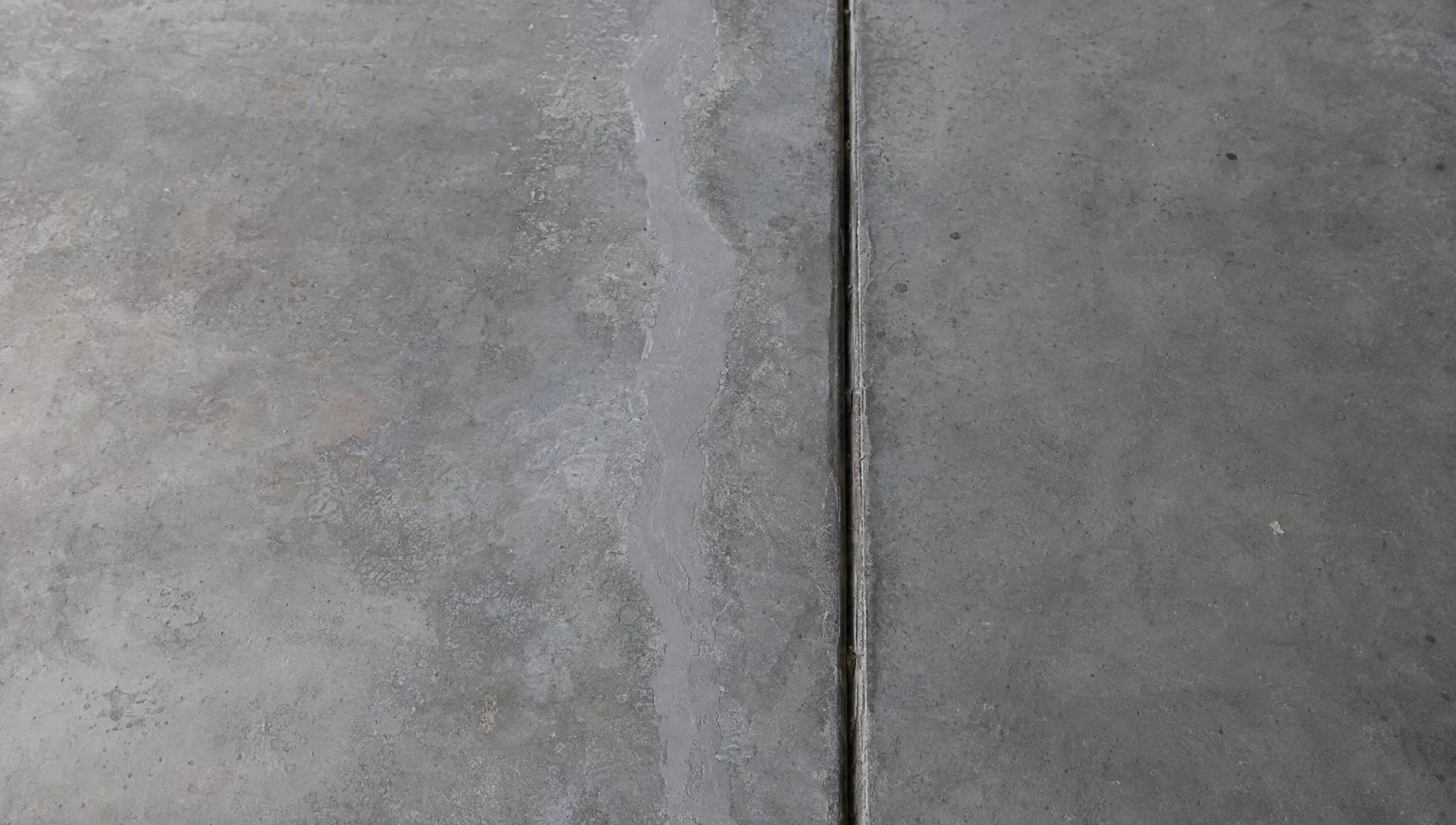
The straight grooves in a garage floor may be intentional joints rather than accidental cracks. Control joints encourage shrinkage cracking to occur at planned locations. Isolation or expansion joints accommodate movement between parts of a structure.
Do not assume every groove should be filled rigidly and hidden. Treatment depends on the joint’s purpose, expected movement and the coating system’s details. Movement joints generally need to remain functional rather than being bridged with a rigid finish.
A concrete coating should not be expected to hold together two sections of slab that continue to move independently. Ask the installer which joints will remain visible, which may receive an appropriate filler and how transitions will be finished.
This conversation also prevents an appearance mismatch. A floor can be well installed and still retain visible joint lines. A seamless-looking photograph is not a reason to eliminate a joint that the slab needs.
When to Pause the Coating Project
Postpone cosmetic work when the condition of the slab is uncertain. Warning signs include a crack that is visibly widening, significant height differences across the crack, recurring water entry or extensive crumbling concrete.
Related changes elsewhere in the building, such as new wall cracks or doors that have begun sticking, are also worth discussing with a qualified professional. They are not proof of a foundation problem, but they provide context that a floor-only inspection may miss.
Depending on the symptoms, you may need a qualified concrete repair contractor or structural engineer before a coating installer proceeds. The right assessment should address the cause of the damage, not simply recommend another layer of filler.
Waiting to install a concrete coating can be the better investment when movement or moisture remains unresolved. Repairing the cause first reduces the chance of paying to remove a new finish so the slab can be addressed later.
What to Ask During Your Garage Floor Quote
A useful quote connects the condition of your garage floor to a specific preparation plan. It should not treat every cracked slab as the same job.
Ask these questions before approving the work:
- Are these cracks suitable for coating preparation? Ask what observations support that conclusion and whether further assessment is needed.
- What repair work is included? Confirm how cracks, loose patches and damaged edges will be handled.
- How will joints be treated? Establish which lines will remain visible and why.
- Could repairs change the schedule? Ask whether the selected materials require additional curing time before coating.
- What happens if a crack returns? Review the written warranty and any exclusions related to slab movement or moisture.
Bay City Coatings advertises all-inclusive pricing at $8 per square foot and most installations completed in one day. For a damaged slab, confirm the repair scope and timing during the quote rather than assuming every concrete problem fits a standard installation.
Before a concrete coating project begins, share photos of previous repairs and explain whether the cracks have changed. Once the work is scheduled, this guide to preparing your garage for floor coating installation can help you organize clearing the space and discussing access.
Frequently Asked Questions
Will garage floor coating hide hairline cracks? It may conceal them after appropriate preparation and repair. Applying a finish directly over an untreated crack does not reliably repair it, and the line may remain visible or return.
Can polyaspartic coating stop a crack from spreading? No. A polyaspartic finish does not stabilize the slab or remove the cause of movement. Crack treatment needs to be selected separately from the finish system.
Should I fill cracks myself before the installer arrives? Ask the installer first. An unsuitable filler can create extra removal work or interfere with adhesion. Existing DIY repairs should be disclosed during the assessment.
Can a cracked garage floor still be coated in one day? Sometimes. Timing depends on the slab’s condition, preparation requirements and repair materials. Moisture issues, substantial damage or additional curing requirements can extend the project.
Is a concrete coating worth installing on an older cracked floor? It can be, provided the slab is suitable and repairable defects are addressed first. The floor’s age matters less than its soundness, moisture conditions and whether the cracks are still moving.
Get Your Garage Floor Assessed Before Covering Cracks
If your garage floor has cracks, start with an in-person assessment rather than choosing a finish based on appearance alone. Bay City Coatings is family-owned, based in Chula Vista and serves homeowners throughout San Diego County.
Request a free quote through Bay City Coatings or call 619-363-1055. Point out cracked areas, previous patches and any moisture concerns so the proposed installation can account for the floor beneath the finish.
Ready for Your Free Quote?